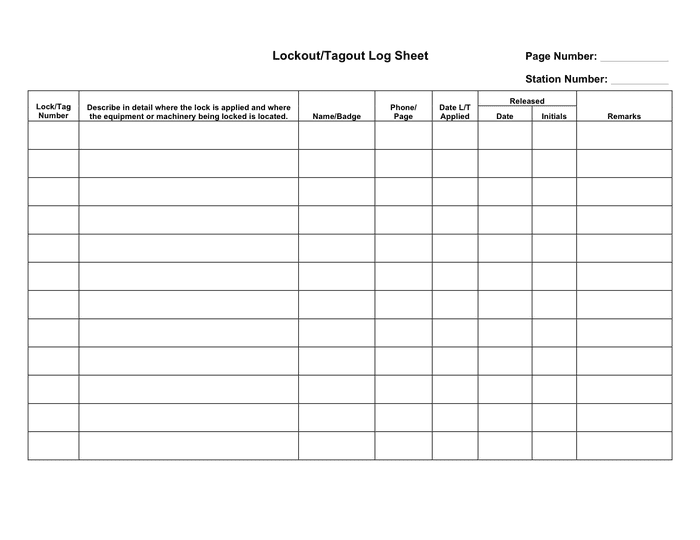
Machines don’t forget. They don’t warn. And they don’t stop on their own when someone’s hands are inside. That’s why the lockout tagout log sheet isn’t just paperwork—it’s a legal and lifesaving record of control.
Every time maintenance is performed on machinery, there’s a risk of unexpected energization, startup, or release of stored energy. The lockout tagout (LOTO) procedure exists to eliminate that risk. At the heart of this system? The log sheet—a chronological, traceable account of who locked out what, when, and why.
Despite OSHA’s clear regulations, companies still face citations over missing or incomplete LOTO logs. The common thread? Treating the log sheet as a formality instead of a functional tool. This article breaks down what a lockout tagout log sheet actually does, how to design and use one effectively, and the mistakes that compromise workplace safety.
What Is a Lockout Tagout Log Sheet?
A lockout tagout log sheet is a documented record of each time energy-isolating devices are secured during maintenance or servicing of machinery. It logs key details including:
- Equipment name or ID
- Date and time of lockout
- Name and contact of authorized employee
- Type of energy controlled (electrical, hydraulic, pneumatic, etc.)
- Lock and tag numbers used
- Reason for lockout
- Time and signature for release
This isn’t a checklist to be filed and forgotten. It’s a real-time tool for accountability and traceability. In the event of an incident—or an OSHA audit—this log becomes the primary evidence that proper protocol was followed.
Real-World Example: At a Midwest manufacturing plant, a conveyor belt repair went wrong when an operator restarted the line, unaware maintenance was still underway. The investigation revealed no log sheet existed. OSHA fined the company over $40,000. A properly maintained log would have shown active lockout status and prevented the accident.
Why a LOTO Log Sheet Isn’t Optional
You might think, “We have lockout tags. Isn’t that enough?” No. Tags identify isolated points. The log sheet tracks the entire process.
Legal Compliance OSHA 29 CFR 1910.147(c)(6) mandates that employers document each application of the energy control procedure. This includes periodic inspections—but also requires written records of each lockout event when required by site policy or complexity.
Accountability Names on a log sheet create responsibility. When a technician signs in, they’re not just recording—they’re certifying that the machine is de-energized, tested, and secured.
Coordination in Multi-Craft Work In a plant with electricians, mechanics, and contractors, multiple people may apply locks. The log sheet becomes the command center showing who’s involved, what locks are in place, and who must be consulted before re-energizing.
Audit Readiness Internal or external audits move faster when logs are complete. Missing entries, inconsistent formats, or unsigned forms raise red flags and can trigger deeper scrutiny.
Key Elements of an Effective LOTO Log Sheet
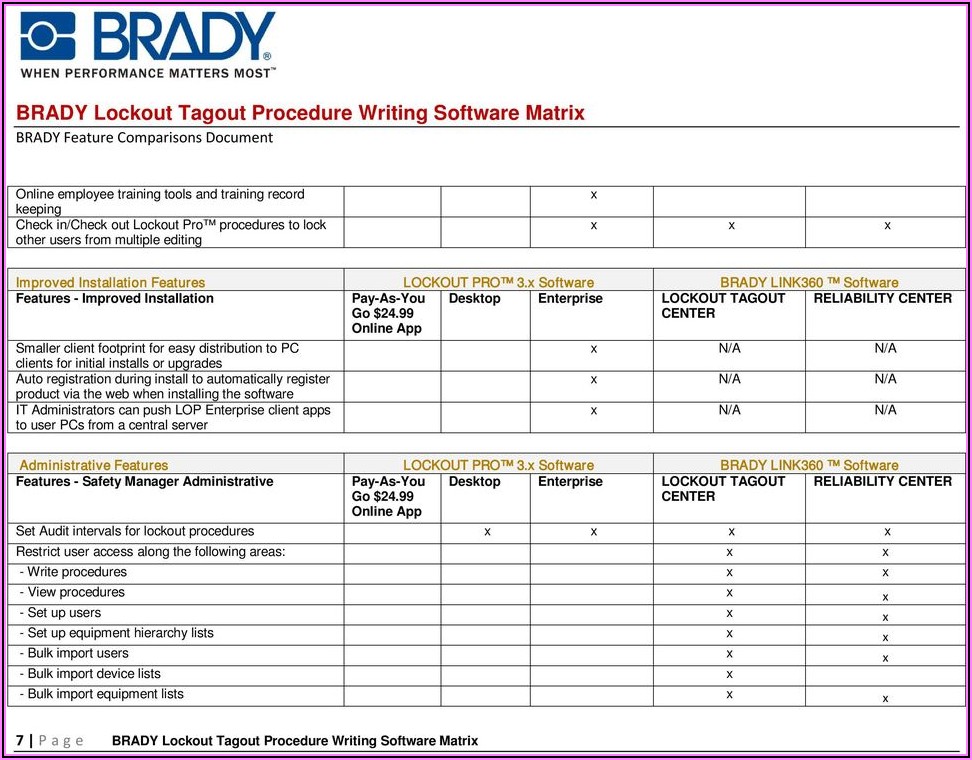
A good log sheet balances simplicity with completeness. Too sparse, and it’s useless. Too complex, and it won’t be used. Here’s what to include:
| Field | Purpose | Example |
|---|---|---|
| Equipment ID | Identifies the exact machine | Conveyor Line 3, Pump A-7 |
| Date/Time (Lock Applied) | Tracks duration and timing | 04/17 08:30 AM |
| Authorized Employee | Assigns responsibility | John M. Rivera, #EMP-882 |
| Energy Types Controlled | Ensures all sources are addressed | Electrical, Hydraulic |
| Lock/Tag Numbers | Links to physical hardware | Lock #L2045, Tag #T8891 |
| Work Description | Clarifies scope | Replace drive motor bearings |
| Release Time & Signature | Confirms verification and reset | 04/17 11:15 AM, J.Rivera |
Pro Tip: Color-code entries by department or shift to improve readability in shared environments.
Common Mistakes That Undermine LOTO Logs
Even with a solid template, poor execution renders logs ineffective. Watch for these recurring issues:
1. Blank or Partial Entries Leaving fields like lock number or energy type blank defeats traceability. A lock without a documented number is a ghost lock—unverifiable and unsafe.
2. Backdating or Guessing Some teams “fill in” logs at the end of the day. This undermines accuracy and increases liability. Logs must be completed in real time.
3. Using One Log for Multiple Machines A shared log for “all equipment” creates confusion. Each critical machine or system should have its own log, or at minimum, clearly segmented entries.
4. Failing to Review
Before Restart The release signature isn’t a formality. It confirms that all workers are clear, tools are removed, and guards are reinstalled. Skipping verification is a common cause of near-misses.
5. Digital Gaps in Paper Systems Paper logs can be lost, damaged, or altered. If you use paper, store completed sheets in a controlled binder with version control.
Digital vs. Paper LOTO Log Systems: A Practical Comparison
While paper logs are still common, digital systems are gaining traction—especially in large or high-risk operations.
| Feature | Paper Logs | Digital Logs |
|---|---|---|
| Real-Time Access | No, unless physically present | Yes, via mobile or kiosk |
| Audit Trail | Limited; easy to alter | Timestamped, user-locked |
| Integration | None | Can sync with CMMS or ERP |
| Searchability | Manual | Full-text, filterable |
| Training Curve | Low | Moderate |
| Cost | Low upfront | Higher initial investment |
Verdict: For small operations with simple processes, a well-managed paper log works. But for facilities with rotating shifts, multiple contractors, or regulatory pressure, digital systems reduce errors and increase compliance visibility.
5 Leading LOTO Log Management Tools For teams ready to digitize, here are five reliable platforms that support structured LOTO logging:
- FACILITATE LOTO by Schneider Electric
- Cloud-based with mobile access, integrates with EcoStruxure. Offers real-time lock status and automated alerts.
- SiteDocs
- Built for industrial safety, includes customizable LOTO forms, photo attachments, and offline mobile support.
- CHEQROOM
- Originally for tool tracking, now supports lock management and digital logbooks with user authentication.
- SafeSite FX
- Combines LOTO procedures with digital forms, GPS tagging, and supervisor approvals.
- MaintainX
- Affordable CMMS with built-in LOTO logs, task scheduling, and audit-ready reporting.
Each platform allows you to replace clipboards with structured digital entries—reducing omissions and enhancing accountability.
How to Implement a LOTO Log System in 5 Steps
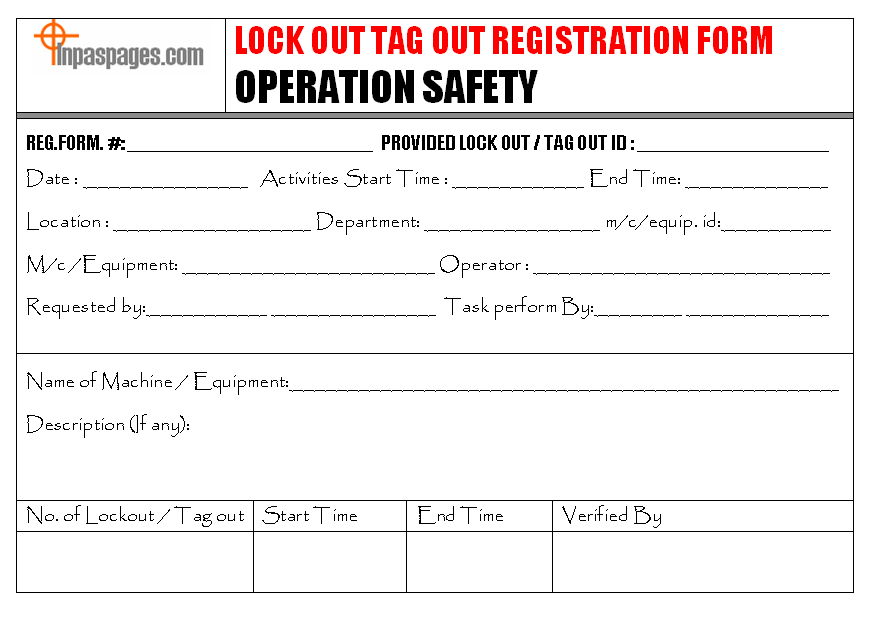
You don’t need expensive software to start. Follow these steps to build a functional, compliant system:
1. Identify Critical Equipment List machines requiring LOTO based on energy type and maintenance frequency. Prioritize high-risk assets.
2. Design the Log Template Use your findings to build a standardized form. Include mandatory fields and leave space for notes.
3. Train Authorized Employees Ensure all technicians understand how and when to use the log. Include hands-on drills.
4. Place Logs at Point of Use Mount log sheets near equipment or in lockout stations. For digital systems, ensure devices are available and charged.
5. Audit Monthly Review logs for completeness. Spot-check entries against lock inventories. Correct gaps immediately.
Workflow Tip: Tie log completion to the lock checkout process. No log entry? No lock release.
Real-World Use Case: Preventing a Near-Miss in a Food Processing Plant
A technician at a frozen foods facility locked out a slicer for blade replacement. He logged his lock number, start time, and work details. Later, a second team arrived to inspect the drive chain. They checked the log, saw the active lockout, and waited.
Meanwhile, a supervisor nearly re-energized the line during a production push—but stopped when he saw the log. The dual verification prevented a potentially fatal incident.
This case shows that a log sheet isn’t just a record. It’s a communication tool that bridges shifts, roles, and responsibilities.
The Bottom Line: A Log Sheet Is More Than Paper
A lockout tagout log sheet is the silent guardian of industrial safety. It doesn’t shout. It doesn’t blink. But when done right, it holds the thread of accountability across time, people, and machines.
Whether you use a clipboard or a cloud dashboard, the principle remains: if it wasn’t logged, it didn’t happen.
Start today. Audit your current practice. Fix the gaps. Make sure every lock has a name, every tag has a time, and every release has a verified signature.
Because in safety, the smallest detail can be the difference between a routine maintenance shift—and a preventable tragedy.
Frequently Asked Questions
Why is a lockout tagout log sheet required? It provides a documented trail proving that proper energy control procedures were followed, ensuring safety and compliance with OSHA regulations.
Who should fill out the LOTO log sheet? Authorized employees performing maintenance are responsible for completing their entries, including lock application and release.
Can multiple people use the same log sheet? Yes, for the same machine during coordinated work. Each person must record their lock, time, and release.
How long should LOTO logs be kept? OSHA requires at least one-year retention for periodic inspection records; many companies keep logs for 3–5 years for liability protection.
What happens if a log sheet is incomplete? Incomplete logs can lead to non-compliance citations, voided insurance claims, and increased risk of accidents due to poor communication.
Should contractors use the same log? Yes. All personnel, including contractors, must follow site-specific LOTO procedures and record their locks in the official log.
Can a digital photo of a paper log suffice? Only if the image is timestamped, legible, and stored securely. However, digital-native systems offer better tracking and audit support.
FAQ
What should you look for in Lockout Tagout Log Sheet: Why It Matters and How to Use It? Focus on relevance, practical value, and how well the solution matches real user intent.
Is Lockout Tagout Log Sheet: Why It Matters and How to Use
It suitable for beginners? That depends on the workflow, but a clear step-by-step approach usually makes it easier to start.
How do you compare options around Lockout Tagout Log Sheet: Why It Matters and How to Use It? Compare features, trust signals, limitations, pricing, and ease of implementation.
What mistakes should you avoid? Avoid generic choices, weak validation, and decisions based only on marketing claims.
What is the next best step? Shortlist the most relevant options, validate them quickly, and refine from real-world results.